Valerian — Sleep “Medicine,” or a Supplement the Guidelines Don’t Support?
Part 6 of Series: Natural, But Not Neutral
(Educational only — not medical advice.)
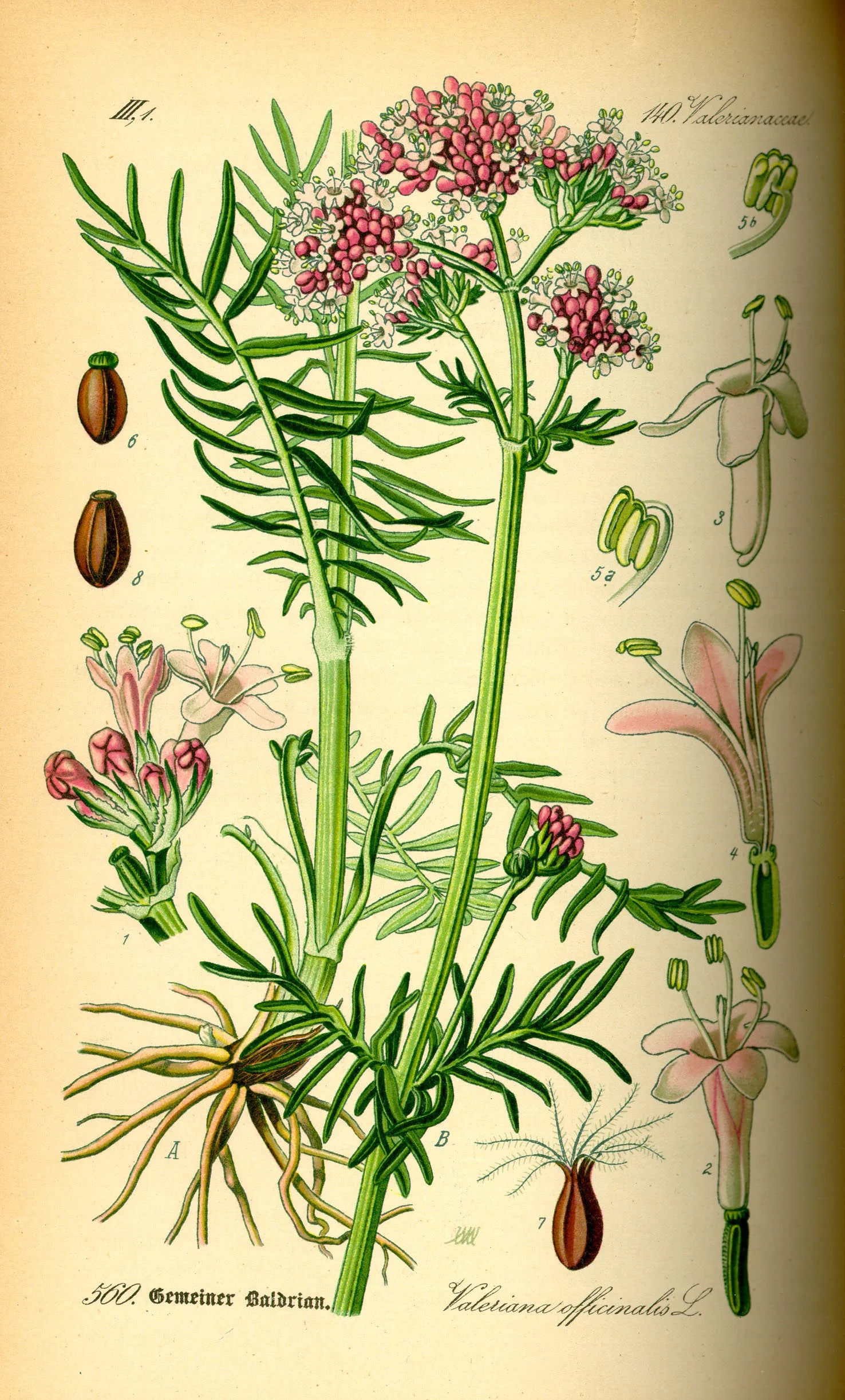
Valerian is a classic example of a supplement that feels like medicine: it’s used for sleep, it’s sold everywhere, and it’s often included in nighttime routines. But the evidence base is mixed, and major clinical sleep guidance does not endorse it as a first-line treatment for chronic insomnia.
Sources: NCCIH: Valerian — Usefulness and Safety | AASM: Clinical Practice Guideline for the Pharmacologic Treatment of Chronic Insomnia in Adults (2017) — PDF
What it is and why it stays popular
Valerian (Valeriana officinalis) is commonly used for sleep problems and sometimes for anxiety. It’s available as capsules, teas, tinctures, and as an ingredient in multi-ingredient sleep blends.
It fits this series because it’s treated like “gentle sleep medicine” in marketing—but evidence summaries and clinical guidance are more cautious.
Sources: NCCIH: Valerian | AASM guideline PDF
Drug vs. medicine vs. supplement
Legally, valerian is typically sold as a dietary supplement in the U.S. Culturally, people use it as medicine for sleep. Clinically, the question is whether it has consistent benefit beyond placebo—and whether sedation tradeoffs are worth it.
The key risk isn’t usually toxicity; it’s impairment (drowsiness), especially when combined with other sedatives.
Sources: NCCIH: Valerian
What the evidence says for insomnia
NCCIH notes that research on valerian for sleep has produced mixed results and that it’s difficult to draw firm conclusions. It also notes that valerian is generally considered safe for short-term use, with long-term safety unknown.
The American Academy of Sleep Medicine’s 2017 guideline suggests clinicians not use valerian for sleep onset or sleep maintenance insomnia in adults (a weak recommendation). That doesn’t mean “never,” but it does mean evidence was not strong enough for a positive recommendation.
Sources: NCCIH: Valerian | AASM: Pharmacologic treatment of insomnia guideline (2017)
Safety and interaction cautions
Valerian can cause drowsiness and should not be stacked casually with alcohol or other sedatives. People sometimes underestimate this because it’s sold as an herb.
Because long-term safety is unknown, it’s reasonable to treat valerian as a short trial rather than a permanent nightly routine, unless a clinician advises otherwise.
Sources: NCCIH: Valerian
Practical consumer checklist
1) If insomnia is persistent, prioritize evidence-based approaches (sleep hygiene plus CBT-I where available).
2) If trying valerian, avoid mixing it with alcohol, benzodiazepines, opioids, or other sleep aids without medical guidance.
3) Don’t escalate dose in pursuit of a stronger effect; if it isn’t helping, reassess rather than stacking multiple sedating products.
4) If you’re pregnant, have liver disease, or take complex medication regimens, check with a clinician first.
Sources: AASM: Insomnia pharmacologic guideline (2017) | NCCIH: Valerian
Short FAQ
Is valerian a sleeping pill? No—it’s an herbal supplement.
Does it work? Evidence is mixed; major sleep guidelines did not recommend it for chronic insomnia in adults.
Is it safe? Generally considered safe short-term for many adults, but sedation and long-term unknowns matter.
Sources: NCCIH: Valerian
References
NCCIH: Valerian — Usefulness and Safety
Series promise: “We separate tradition, internet claims, science, and regulation—so you can decide what belongs in your wellness routine.”