Yohimbe — “Natural Performance Booster” or a High-Risk Drug-Like Stimulant?
Part 7 of Series: Natural, But Not Neutral
(Educational only — not medical advice.)
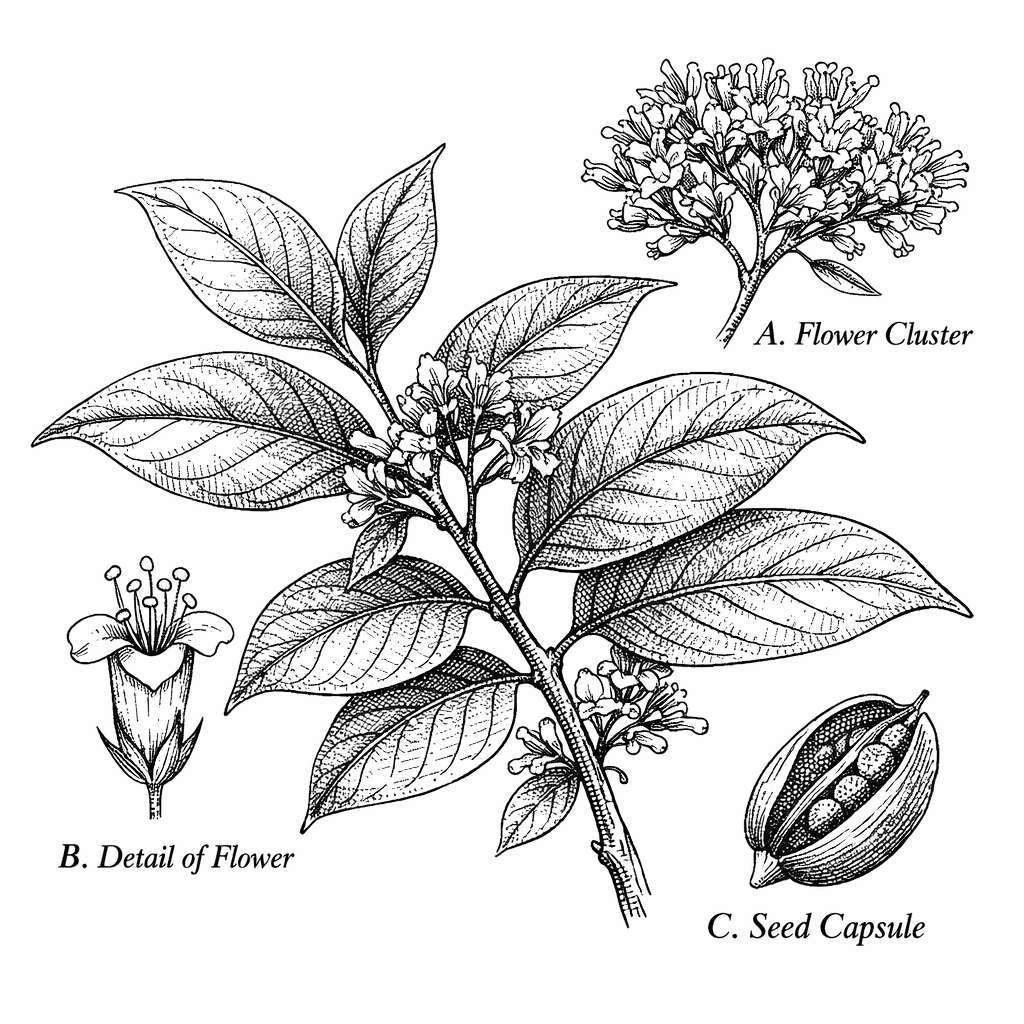
Yohimbe is often marketed as a natural performance aid, but safety summaries read more like a stimulant warning label than a wellness brochure. It’s a clear illustration of why “natural” doesn’t mean “neutral.”
Sources: NCCIH: Yohimbe — Usefulness and Safety
What it is and why it’s high-risk
Yohimbe (from the bark of Pausinystalia yohimbe) contains yohimbine, an alkaloid with stimulant-like effects. It has been marketed for sexual function, weight loss, and performance.
It belongs in this series because the “drug-like” profile is not subtle: cardiovascular and neurologic adverse events are prominent in safety summaries, and labeling quality has been a persistent concern.
Sources: NCCIH: Yohimbe
Drug vs. medicine vs. supplement
In some contexts, yohimbine has been used medically under clinical supervision, which contributes to public confusion. But yohimbe supplements are not equivalent to a standardized prescription product. In supplement form, dosing and purity can vary, and the risk profile can be unpredictable.
From a consumer safety standpoint, yohimbe is better framed as “a stimulant-like compound sold without pharmaceutical guardrails,” rather than a gentle herb.
Sources: NCCIH: Yohimbe
Evidence snapshot (kept brief on purpose)
Some research has examined yohimbine for sexual function, but for consumers the question is whether a modest potential benefit is worth a higher-than-average risk of adverse effects. In most casual-use scenarios, the risk-benefit tradeoff is unfavorable.
Safety: the main story
NCCIH reports yohimbine has been associated with cardiac arrhythmias, blood pressure problems, heart attacks, and seizures. It also notes that inaccurate labeling and serious side effects have led to restrictions or bans in many countries.
These are not mild side effects. They are the kinds of risks that justify medical supervision—especially for anyone with hypertension, cardiac risk, anxiety disorders, or complex medication use.
Sources: NCCIH: Yohimbe
Practical consumer checklist
1) If you have high blood pressure, heart rhythm issues, anxiety/panic, or take stimulant or psychiatric medications, avoid yohimbe unless a clinician explicitly supervises it.
2) Avoid products that blend yohimbe with other stimulants; stacking stimulants increases risk.
3) Treat “performance” marketing claims with skepticism; this ingredient category has a history of quality and safety problems.
Sources: NCCIH: Yohimbe
Short FAQ
Is yohimbe a safe “natural booster”? It has a higher risk profile than many supplements.
Is it a drug? Its active component has drug-like effects, but the supplement marketplace is not standardized like prescription products.
Who should avoid it? Anyone with cardiovascular risk, hypertension, anxiety disorders, or complex medication regimens.
Sources: NCCIH: Yohimbe
References
NCCIH: Yohimbe — Usefulness and Safety
Series promise: “We separate tradition, internet claims, science, and regulation—so you can decide what belongs in your wellness routine.”