CBD — Supplement, Medicine, or Regulated Drug Ingredient?
Part 5 of Series: Natural, But Not Neutral
(Educational only — not medical advice.)
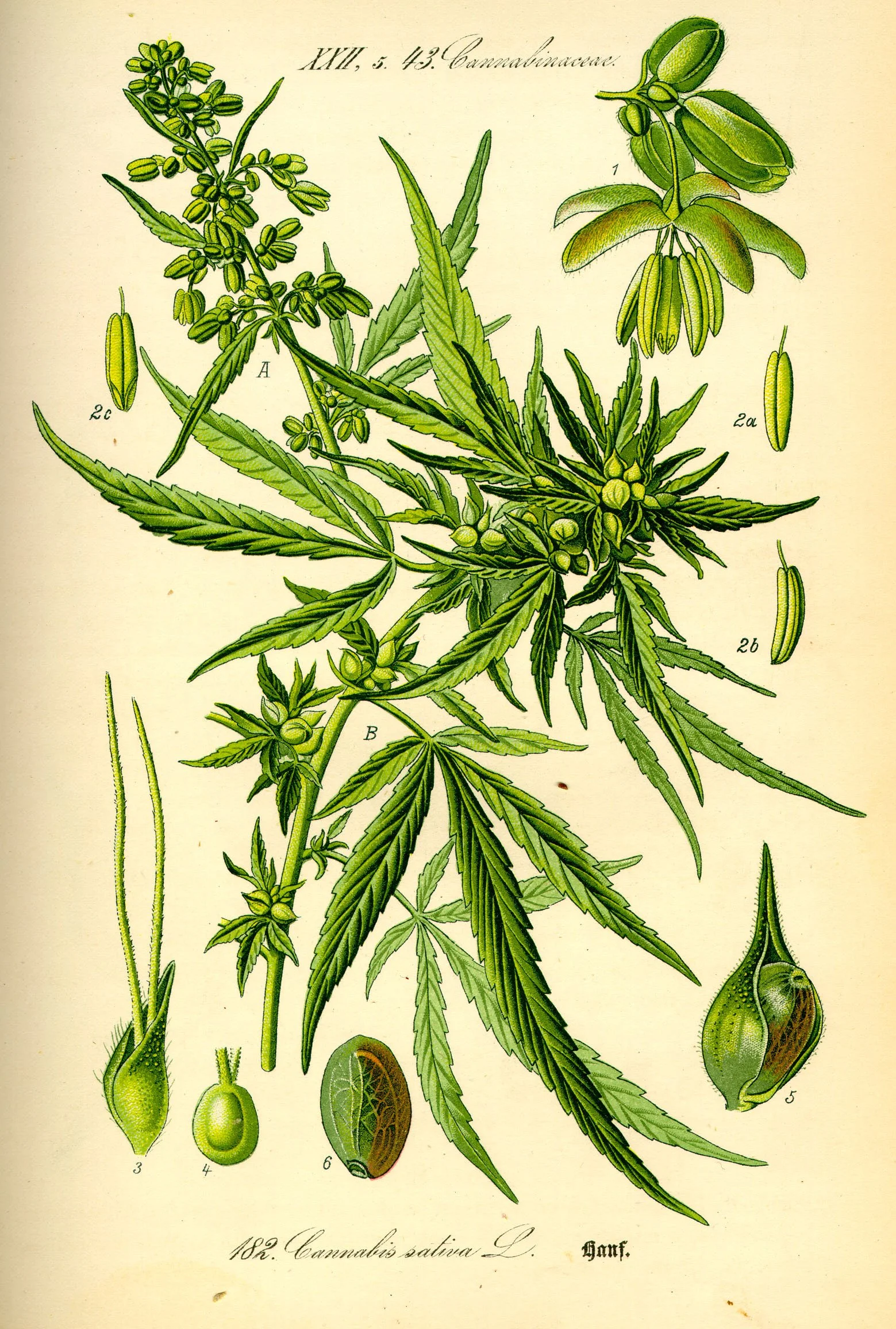
CBD is a “category confusion” case study: people buy it like a supplement, talk about it like medicine, and regulators treat it as a drug ingredient in key contexts. It’s a modern example of why natural products don’t fit neatly into one box.
Sources: CDC: About CBD | FDA: Regulation of Cannabis and Cannabis-Derived Products (Including CBD) | FDA: Consumer Update — Products Containing Cannabis or CBD | FDA: What FDA Is Doing to Protect Consumers from CBD in Foods
What CBD is (and why it confuses everyone)
Cannabidiol (CBD) is a compound found in cannabis. Unlike THC, CBD is generally described as non-intoxicating. It’s now embedded in retail as oils, gummies, creams, beverages, and more—often marketed with wellness claims that resemble medical claims.
The confusion comes from a mismatch: one form of CBD is an FDA-approved prescription drug ingredient (for specific seizure disorders), while many consumer CBD products are sold outside the drug-approval pathway.
Sources: CDC: About CBD | FDA: Regulation of cannabis-derived products (CBD) | FDA: Consumer update on cannabis/CBD products
Drug vs. medicine vs. supplement
CBD is used as medicine in a narrow FDA-approved context, which establishes that CBD can be a drug ingredient under federal law.
FDA also explains that CBD products are generally excluded from the dietary supplement definition under U.S. law in many contexts, which is why the “CBD supplement” marketplace exists in tension with federal policy.
A clean consumer message is: CBD can be medicine in one regulated form, but most retail CBD products are not standardized, not FDA-approved, and often make claims that outpace evidence.
Sources: FDA: Regulation of cannabis-derived products (CBD) | CDC: About CBD
Evidence snapshot (what’s strongest and what’s not)
CBD research is active, but evidence varies dramatically by condition, dose, and product formulation. The strongest evidence base is for the prescription seizure indications, not for the wide range of consumer-market claims.
Federal agencies emphasize ongoing research and caution against overinterpreting early findings as proof for broad therapeutic use.
Sources: CDC: About CBD | FDA: Consumer update on cannabis/CBD products
Safety: liver injury and drug interactions
FDA consumer materials emphasize that CBD is not risk-free and highlight potential side effects and drug interactions. FDA also points to risks such as liver injury and notes that CBD can affect how other medications work.
In 2025, FDA scientists reported results from a randomized trial of daily CBD use at doses intended to represent consumer use; liver enzyme elevations occurred in a subset of participants. This reinforces that “wellness dosing” is not automatically benign.
Sources: FDA: Consumer update (cannabis/CBD) | FDA: Protect consumers from CBD in foods (risks) | FDA: CDER randomized trial on CBD safety
Quality and labeling realities
CBD products can vary in actual CBD content, may contain THC, and may include contaminants depending on manufacturing practices. Third-party certificates of analysis (COAs) and reputable sourcing matter—especially for people who must avoid THC.
Sources: FDA: Consumer update (cannabis/CBD) | CDC: About CBD
Practical consumer checklist
1) If you take prescription medications, talk to a clinician or pharmacist before adding CBD—interaction risk is real.
2) Avoid high-dose daily use without medical oversight; liver effects are a known concern.
3) Choose products with transparent testing and labeling (CBD amount per dose, THC content, contaminants).
4) Be skeptical of broad disease-treatment claims.
Sources: FDA: Protect consumers from CBD in foods | FDA: Regulation of cannabis-derived products (CBD)
Short FAQ
Is CBD a drug? It can be—CBD is an active ingredient in an FDA-approved prescription drug for certain seizures.
Is CBD a supplement? FDA’s position is that CBD is generally excluded from the dietary supplement definition in many contexts.
Is CBD safe? It may be tolerated by many people, but liver injury and drug interactions are meaningful risks, especially with regular use.
Sources: CDC: About CBD | FDA: Regulation of cannabis-derived products (CBD)
References
FDA: Regulation of Cannabis and Cannabis-Derived Products (Including CBD)
FDA: Consumer Update — Products Containing Cannabis or CBD
FDA: What FDA Is Doing to Protect Consumers from CBD in Foods
FDA: CDER Investigators Address the Safety of CBD in a Randomized Trial
Series promise: “We separate tradition, internet claims, science, and regulation—so you can decide what belongs in your wellness routine.”