Kava — Traditional Relaxation Drink or a Liver-Risk “Medicine”?
Part 4 of Series: Natural, But Not Neutral
(Educational only — not medical advice.)
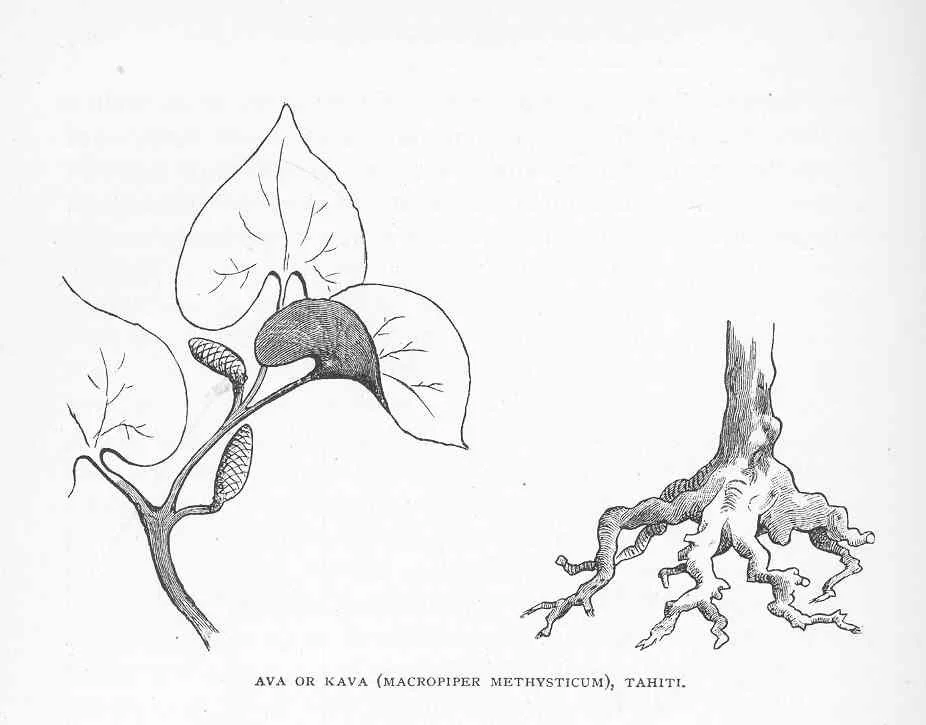
Kava is often framed as a “natural relaxer,” but the most important fact about kava is risk: rare, sometimes severe liver injury has been linked to kava products. That makes the drug vs. medicine conversation more than semantics.
Sources: NCCIH: Kava — Usefulness and Safety | NIH ODS: Kava (FDA advisory summary) | LiverTox (NIH/NCBI Bookshelf): Kava Kava
What it is and why it’s controversial
Kava (Piper methysticum) is traditionally consumed in the Pacific Islands as a ceremonial and social beverage. In modern wellness markets it’s often promoted for relaxation and anxiety support and sold as teas, capsules, tinctures, and extracts.
Kava highlights a mismatch: something can be used as “medicine” culturally, sold as a supplement legally, and still carry drug-like risk—particularly for the liver.
Sources: NCCIH: Kava | ODS: Kava | LiverTox: Kava kava
Drug vs. medicine vs. supplement
In many communities, kava is a traditional medicinal beverage. In the U.S., it’s typically sold as a dietary supplement. But liver-injury reports prompted warnings and ongoing cautions from health agencies.
Unlike pharmaceuticals, kava products can vary in plant parts used, extraction solvents, concentration, and dose—each of which can influence safety.
Sources: ODS: Kava (FDA advisory summary) | NCCIH: Kava
What research suggests for anxiety and sleep
Kava has been studied for anxiety, and some evidence suggests potential benefit for certain anxiety symptoms. However, for consumer decision-making, the relevant question is often the risk tradeoff.
When the safety conversation includes rare but severe liver injury, even modest benefits may not justify use for many people—especially when safer, evidence-based approaches to anxiety and sleep exist.
Sources: NCCIH: Kava
Safety: the liver risk is the headline
NCCIH notes that various kava products have been linked to rare cases of liver injury, some serious or fatal. The NIH Office of Dietary Supplements summarizes the FDA’s 2002 advisory and the types of liver injuries reported (hepatitis, cirrhosis, liver failure).
LiverTox states that products labeled as kava have been linked to clinically apparent acute liver injury that can be severe and even fatal.
Sources: NCCIH: Kava | ODS: Kava | LiverTox: Kava kava
Practical consumer checklist
1) If you have liver disease, abnormal liver enzymes, or heavy alcohol use, avoid kava unless a clinician is directly involved.
2) Avoid mixing kava with alcohol or other sedating substances.
3) Be cautious with extracts and nontraditional formulations, where solvent and concentration may shift risk.
4) If you experience symptoms suggestive of liver problems (jaundice, dark urine, persistent nausea), stop and seek medical evaluation.
Sources: ODS: Kava | LiverTox: Kava kava
Short FAQ
Is kava an FDA-approved anxiety medication? No.
Is it “medicine”? Traditionally, yes in many cultures; clinically, the liver-risk tradeoff is the main concern.
What’s the simplest takeaway? If you’re looking for calm, don’t choose an option with known severe liver-risk reports unless you’ve weighed the risks with a clinician.
Sources: NCCIH: Kava
References
NCCIH: Kava — Usefulness and Safety
NIH ODS: Kava (FDA advisory summary)
LiverTox (NIH/NCBI Bookshelf): Kava Kava
Series promise: “We separate tradition, internet claims, science, and regulation—so you can decide what belongs in your wellness routine.”